
##A virtual exhibition can be used as part of the teaching process, rather than just as a way of presenting finished student work. It provides students with a practical environment in which to curate, exhibit, review and refine their work.##
A gallery for every student
At Lander University, students were each given a gallery in which to curate and exhibit their own work. This created an individual exhibition project, but the experience extended beyond the individual gallery.
Because the exhibitions could be viewed by the whole class, students were able to visit one another’s galleries and critique the results. The virtual gallery therefore became both an individual working space and a shared teaching environment.
As Jon Holloway, professor of art at Lander University explained: “The virtual gallery is a great teaching platform for students to curate and exhibit their own work. The individual experience also became a group project, as everyone in the class was able to be involved in critiquing the outcome.”
Controlled access and privacy
Keeping exhibitions private provides a controlled environment for assessment, critique and feedback. Once the assessment is complete, the same exhibition can be opened to a wider audience where appropriate. This makes it possible to move from a private learning environment to a public presentation without having to recreate the exhibition elsewhere.
Beyond the semester
Physical exhibitions have a fixed lifespan. Once the gallery closes, the work may be documented through photographs, catalogues or individual portfolios, but the exhibition itself is no longer available to experience.
A virtual exhibition can extend that lifespan. A graduating exhibition, student project or research presentation can remain online after a course has finished, providing a continuing record of the work and the context in which it was presented.
For institutions, this creates another way of documenting student achievement and communicating the work of a department or programme. For students, it gives their work a continuing presence that can be shared with family, peers, prospective employers or future study programmes.
Part of the learning environment
The value of a virtual exhibition for education goes beyond
the experience of viewing it. It can sit within the practical structure of a course, from the organisation of student work and controlled assessment through to presentation and longer-term access.
The same environment can support different stages of the process: students can develop their exhibitions privately, educators can review them within a defined group, and completed work can later be made available as a public presentation or kept as a private exemplar.
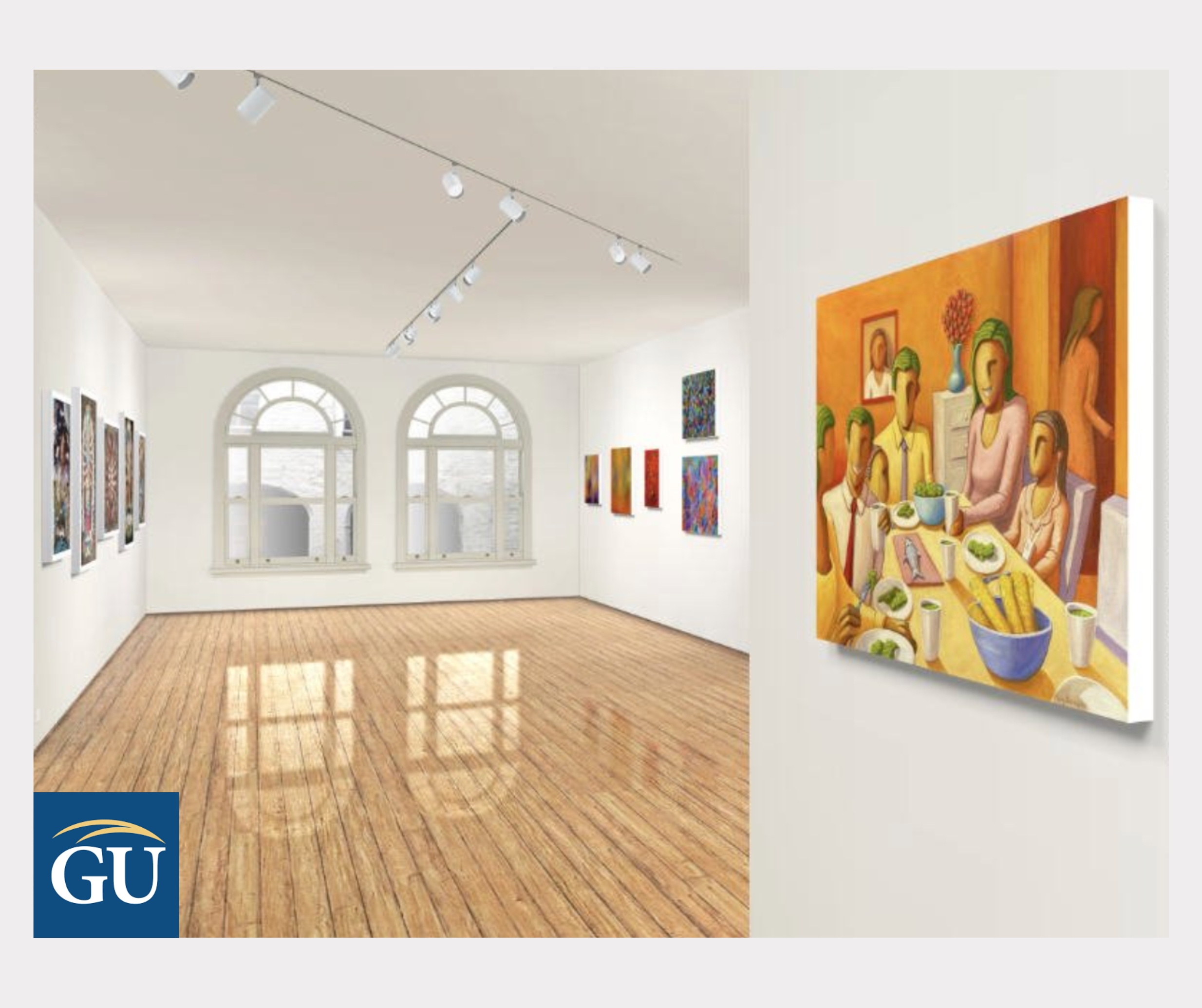
 Curate and manage your own virtual art gallery using our bespoke 3D exhibition software.